
The Allure of Casino Gaming
Casino gaming captivates numerous individuals, not merely for the chance to win money but also due to the psychological thrills it provides. The vibrancy of the casino environment, filled with bright lights, engaging sounds, and the anticipation of possibility, forms a sensory experience that entices participants. The unpredictability of outcomes plays a significant role in generating excitement, as players are often drawn into the intoxicating atmosphere that encourages risk-taking and immediate gratification. This high-energy environment can create a sense of euphoria, making the experience more than just a financial gamble; for instance, a visit to 1win can turn into an emotional rollercoaster.
At the heart of this allure lies the concept of variable reinforcement, a principle often discussed in psychology. Gamblers experience wins at unpredictable intervals, which creates a powerful reinforcement cycle. This unpredictable nature mimics the excitement found in games of chance, making even small wins feel monumental. Such experiences can lead to a heightened state of arousal, which, combined with the ambiance of the casino, enhances the chances of repeat visits as players seek to reclaim or elevate their emotional highs. The anticipation of a possible win can keep players on edge, further fueling their desire to continue gambling.
The social aspect of casino gaming cannot be overlooked either. Many individuals enjoy the communal nature of gaming, where they can share their experiences with friends or even strangers at tables or machines. This social interaction can amplify the enjoyment and connection to the gambling experience, further motivating individuals to return. The combination of visual, auditory, and social stimuli creates an addictive cycle that can be challenging to break, as players emotionally invest in their time spent in the casino environment. The shared excitement of winning or even the collective groans of losing can foster a sense of belonging, making it more than just a solitary activity.
Psychological Motivations and Gambling Habits
The motivations driving individuals to engage in casino gaming extend beyond mere entertainment. Many gamblers report using gambling as a method of coping with stress, anxiety, or other negative emotions. This is where the psychological concept of escapism comes into play; gambling offers a temporary reprieve from reality. When immersed in games, individuals may feel a sense of control and agency they lack in their everyday lives, allowing them to drown their worries amid the excitement of potential wins. This escape can be particularly appealing for those facing life challenges, as the gaming environment provides a distraction from their problems.
Moreover, the concept of loss aversion plays a significant role in gambling psychology. This principle suggests that the pain of losing is often felt more intensely than the pleasure derived from winning. As a result, individuals may engage in behaviors such as chasing losses, attempting to recover money lost in previous bets. This cycle can lead to a pattern where individuals spend more time and money in casinos, driven by the hope of reversing their financial misfortunes. The emotional weight of losses can push players to gamble even more, believing that a win is just around the corner.
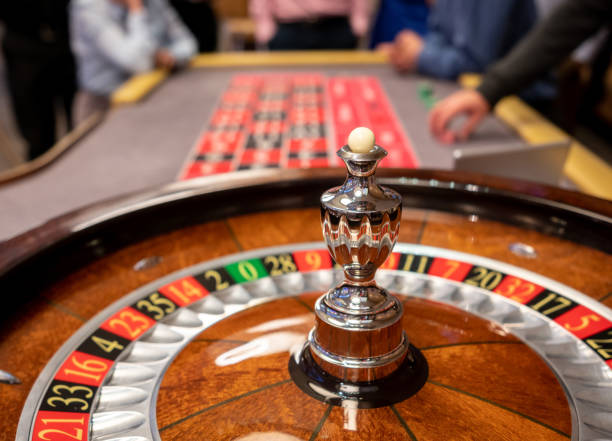
Additionally, the illusion of control can significantly impact gambling behavior. Many players believe that they can influence the outcome of games based on their skill or strategy, even in games of chance where luck plays a critical role. This belief can foster a false sense of confidence, leading individuals to gamble more frequently or place larger bets, fueled by the idea that they can beat the odds. Such rationalizations can further entrench gambling habits and contribute to compulsive gambling behaviors. The desire to prove oneself or to achieve a sense of mastery can be powerful motivators, compounding the risks of excessive gaming.
The Impact of Environment on Gaming Behavior
The physical environment of casinos is meticulously designed to enhance the gaming experience and foster prolonged engagement from players. Aspects such as layout, lighting, and sound play an essential role in shaping behavior. Casinos often feature an open layout that encourages movement and exploration, creating a labyrinthine feel that can disorient players and make it easy to lose track of time. The strategic placement of gaming machines and tables is also designed to maximize visibility and entice players, perpetuating the gaming cycle. This carefully crafted environment can make players feel as though they are in a different world, where time and responsibility cease to exist.
Lighting is another critical factor; bright, colorful lights can create a sense of excitement, while softer, ambient lighting can lead to a more relaxed atmosphere. Additionally, the sounds of winning, such as bells and cheers, are strategically utilized to reinforce positive associations with gaming. These elements work together to create an immersive experience that can lead players to stay longer, often exceeding their intended time and budget for gambling. The sensory overload can heighten emotional responses, making the experience more thrilling and addictive.
The availability of alcohol in many casinos further complicates the gaming habit. Alcohol can impair judgment and lower inhibitions, making players more likely to take risks or continue gambling despite losses. The combination of a stimulating environment, social interaction, and potential substance use fosters an atmosphere that can enhance gambling behavior, ultimately creating a cycle that is difficult to escape for some individuals. This interplay between environmental factors and psychological triggers plays a crucial role in shaping gaming habits, as players become increasingly anchored to the exhilarating environment.
The Role of Technology in Modern Gaming Habits
Advancements in technology have profoundly transformed casino gaming, introducing online platforms and mobile applications that allow individuals to engage in gambling without the need for a physical casino visit. This accessibility has significantly altered gaming habits, allowing individuals to gamble anytime and anywhere, thereby increasing the temptation and potential frequency of gambling behaviors. The convenience of online gaming also appeals to those who may have previously felt intimidated or overwhelmed by the physical casino atmosphere. As technology continues to evolve, so do the methods by which people interact with gambling.

Online casinos often incorporate similar psychological triggers found in traditional settings, such as rewarding experiences and enticing bonuses. These platforms leverage algorithms that create a sense of urgency and excitement, prompting players to keep betting. The design of online games also focuses on user engagement, utilizing vibrant visuals and interactive elements to mimic the thrill of in-person gaming experiences. This digital shift has created new avenues for addictive behaviors, as players can easily lose track of time and money spent online. The ease of access can lead to more frequent gambling sessions, further entrenching risky habits.
Moreover, social gaming elements that have emerged in online platforms often create a sense of community and competition among players. Features like leaderboards, in-game chat, and social media integration can further enhance the experience, expanding the notion of gambling beyond solitary play. This sense of belonging and competition can reinforce gaming habits, as players are motivated to return to maintain their standing or continue participating in social aspects of the experience. The intersection of technology and psychology in modern gaming habits warrants ongoing investigation, as the impact continues to evolve, shaping not just gaming habits but also the social dynamics of gambling.
Understanding Gaming Behavior Through Research
Research into gambling behavior continues to advance, revealing crucial insights into why individuals develop particular gaming habits. Studies have investigated the psychological factors that contribute to gambling addiction, with many findings highlighting the role of emotional regulation. Individuals who struggle with emotional distress often resort to gambling as a coping mechanism, which can lead to a cycle of dependency. Understanding these underlying motivations is essential for developing effective interventions and support systems for those who struggle with gambling-related issues. This research can inform policies aimed at reducing harm and promoting responsible gaming.
The role of social influences on gaming habits is another significant area of research. Many individuals are introduced to gambling through friends or family, highlighting the impact of social environments on decision-making. By examining the social dynamics surrounding gambling, researchers can identify patterns and trends that inform prevention strategies. The emergence of peer dynamics and their influence on gambling behavior indicates the importance of fostering healthy conversations and encouraging responsible gaming practices. Social norms can significantly shape how individuals perceive gambling, influencing their participation and habits.
Additionally, the advent of behavioral therapies has shown promise in addressing problematic gambling behaviors. Cognitive-behavioral approaches focus on altering negative thought patterns related to gambling, helping individuals develop healthier relationships with gaming. Research into the efficacy of various therapeutic interventions continues to be vital in combating gambling addiction, highlighting the complex interplay between psychological factors, social influences, and environmental conditions in shaping gaming habits. Ongoing studies are crucial for understanding the nuances of gambling behavior and creating informed, supportive environments for players.


